Ever since it was founded in 1938 in Mexico City, the International Institute of Iberian-American Literature (IILI) has continuously dedicated itself to the international study and spread of literature, culture and literary criticism of this geographic zone, a task consolidated through its Congresses and the renowned magazine Revista Iberoamericana.
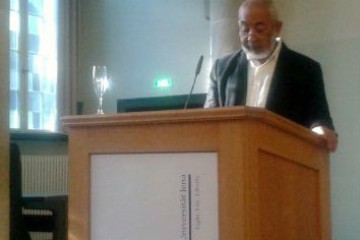
Cuban Leonardo Padura was the writer invited to give the inaugural lecture of the 41st Congress of the IILI, following an already established tradition in which a contemporary author of renowned prestige is always chosen for the opening of the event.
Will these supports substitute the traditional ones to the detriment of reading?
Despite Cuba’s backwardness compared to other more developed countries, young people already cling to the use of the new information and communication technologies (ICT) in the midst of an evident decrease in the habit of reading and in favour of the audio visual.
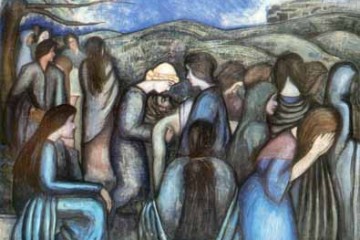
Evocation of one of the most important Cuban artists of the 20th century, a solitary man who in barely five years of feverish creation left a group of exceptional paintings and drawings, in addition to a handful of narrations.
Walking along a Havana street during the summer afternoon can be a refined way of torturing yourself. I walk along Trocadero and I decide to seek some shade and a bit of silence in the Museum of Fine Arts.
“Reflections” on someone who made us laugh but also think.
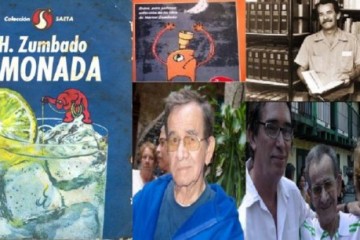
Faced by the recent physical disappearance of writer and journalist Héctor Zumbado, it’s not worth resorting to the common “he left a great void” because it already existed for more than two decades. Since then, the conditions in which his life passed were a mystery and his creative cycle had come to an end but now, with his definitive departure, people will look back and make assessments of his work which situates with greater precision his place in Cuban literature and journalism.