The 2014 agricultural census may show a worsening of the situation in this Central American country of 4.4 million people.
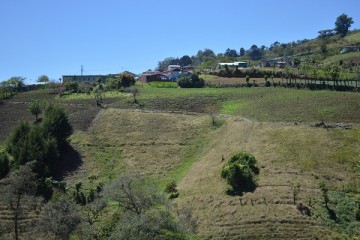
ALVARADO, Costa Rica, Mar 4 2014 (IPS) – José Alberto Chacón traverses the winding path across his small farm on the slopes of the Irazú volcano, in Costa Rica, which meanders because he has designed it to prevent rain from washing away nutrients from the soil.
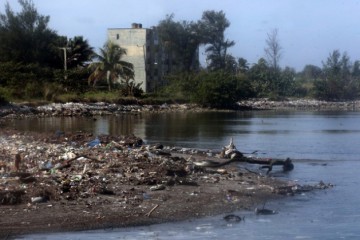
The dumping of sewage and solid waste was mentioned as one of the main causes of pollution of the Quibú basin.
HAVANA, Feb 2014 (IPS) – The stench hits as you walk through the door of one of the pleasant houses along the Quibú river in the Cuban capital’s Náutico neighbourhood. «The garbage piles up, it stinks, and there are even rats,» said María Angélica Suárez, a local resident who is tired of living this way.
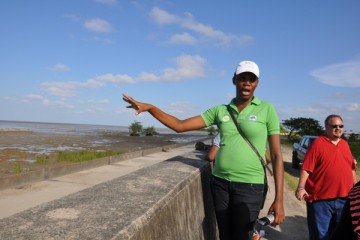
Approximately 90 percent of Guyana’s population lives on a narrow coastline strip a half to one metre below sea level.
VICTORIA, Guyana, Dic 2013 (IPS) – Theola Fortune can recall how residents of Victoria would ridicule her and others every time they went into the east coast village to warn residents about the importance of mangroves and the need to protect them.
Cuba’s investment in protecting the environment rose from 278 million dollars in 2007 to 488 million dollars in 2012.
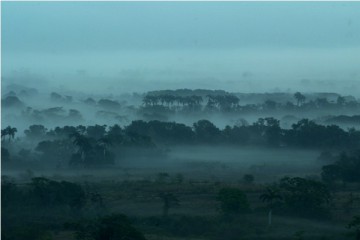
HAVANA, Dec 2013 (IPS) – Nature reserves act as a safe deposit box for biodiversity and contribute to adaptation to climate change. But in a country like Cuba, plagued by a chronic economic crisis, efforts to increase the number of protected areas go largely unnoticed.