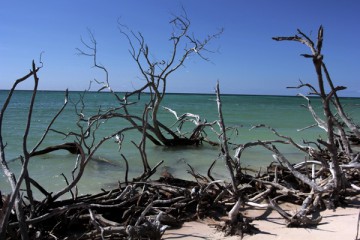
In the last 50 years, more than 100 metres of coastline have been lost in that area to the south of Havana.
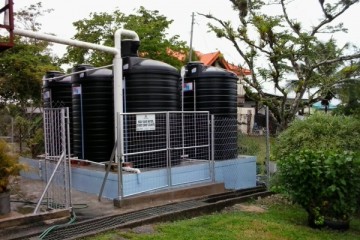
SURGIDERO DE BATABANÓ, Cuba, Oct 22 2013 (IPS) – In the 1960s, the Cuban government declared that storage of fresh water for times of drought or hurricanes was a matter of national security, and it began to dam up the country’s rivers. But that policy has claimed an unforeseen victim: mangroves.
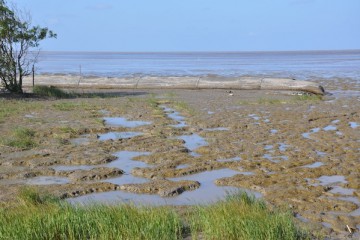
Approximately 90 percent of Guyana’s population lives on a narrow coastline strip a half to one metre below sea level.
VICTORIA, Guyana, Oct 26 2013 (IPS) – Theola Fortune can recall how residents of Victoria would ridicule her and others every time they went into the east coast village to warn residents about the importance of mangroves and the need to protect them.
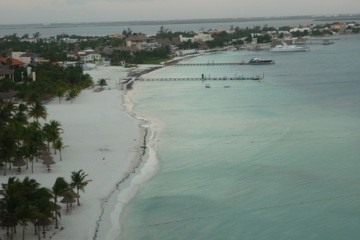
The Mexican Caribbean is exposed to increasingly destructive hurricanes and storms and the threat of rising sea levels.
MEXICO CITY, dec 2013 (IPS) – Jungles, forests, mangroves, swamps and lagoons are natural carbon storehouses or “sinks” in the Caribbean regions of Mexico. But now studies are being conducted to measure their capacity for absorbing carbon dioxide from the atmosphere.