Highly sensitive definitions and long-term programmes discussed at the 7th Congress of the Communist Party of Cuba outline the route for the changes of the nation’s economic model.
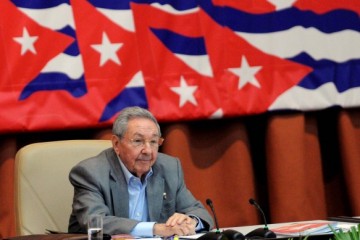
The most important Cuban political meeting, the Congress of the Communist Party, agreed to continue with the programme of economic transformations approved five years ago in the country. The principal documents and decisions even propose expanding or making in-depth changes that imply the consolidation, modification or emergence of new actors and structures on the national scene.
Cuban society is demanding in-depth changes so that distributive justice in the economic, social equity and quality of life prosper in it based on the exercise of development opportunities for all, with guarantee for citizens’ exercise of their rights with respect to national sovereignty and the leading and decision-making participation of the population organised territorially in social movements and thinking groups, among other important questions
Paradoxes and questions
Our society is moving toward goals charted in the guidelines for the updating of the economic and social model. While new economic channels were opened in them, the quota of uncertainties, imprecisions and confusion of final objectives, under a clear vision of what type of society would be hoped for, mark their framework and their current practical route.
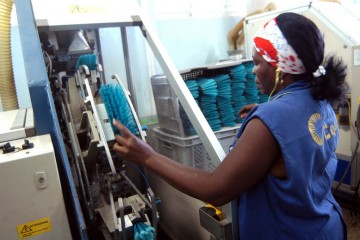
The Cuban government put into force new regulations for the payment systems to bring enterprises closer to the paradigms of efficiency and productivity proposed by the process of economic changes.
One of the most sensitive subjects in the sphere of labour and daily life in Cuba, wages, again came to the fore this month. The Labour and Social Security Ministry (MTSS) put into force on April 1 Resolution 6 to modify the payment systems according to results applied in the Cuban entrepreneurial system.
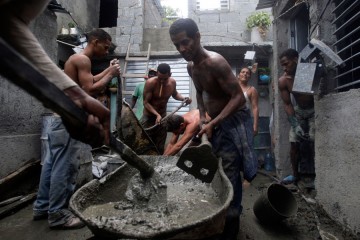
After being extended to the non-agricultural sector, the new forms of non-state work find obstacles for wholesale supply and in other areas.
The cooperative business forms are gaining a space in the Cuban economy despite the obstacles they find in a sphere that is still not very favourable for their development. A recent Business Fair analysed this experience, one of the novelties introduced by the economic reform undertaken by Cuba a bit over five years ago.