Just as its founders recall, the initial seeds of what today is the Onelio Jorge Cardoso Centre for Literary Formation at the beginning was not unaware of the controversy: was it possible and even advisable “to teach” how to write, the critics and professionals from the sector asked themselves at the time, or was there the risk of encouraging test-tube phenomena, prefabricated literature, scribes, more than writers?
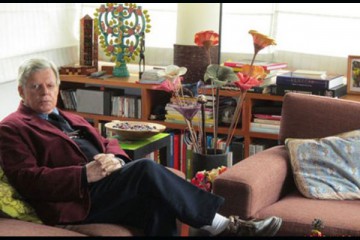
Renowned architect Mario Coyula reviews moments of his professional life, opines on housing and also speaks of the production of architecture and monuments, Cuban identity and urban planning.
The intellectual exercise that an interview entails was able to encourage him, just a few days after having undergone surgery. It is Cuban architect Mario Coyula, a man who asks questions par excellence, with acute opinions and frequently heterodox, poured out in a language distant from all that is academicism.
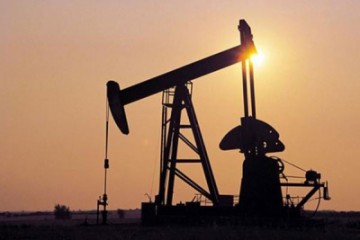
A few days before participating in the World Oil Congress in Moscow, Cuba opened new maritime areas to the prospecting for deposits by foreign companies as another sign that it has set its mind on expanding its oil capacity.
Two recent moves have confirmed the re-launching this year of Cuba’s bet on its oil potential. At the start of this month the Cuba Petróleo enterprise (Cupet) announced the opening of new maritime areas to the prospecting of deposits by foreign companies. This came when a delegation from that country was getting ready to participate in Russia in the 21st World Oil Congress. The timely announcement in advance lent weight to the expectations – foreseeable due to previous events – regarding the presentation of Cuba’s plans at the congress, held in Krokus City, on the outskirts of Moscow, June 14-19.
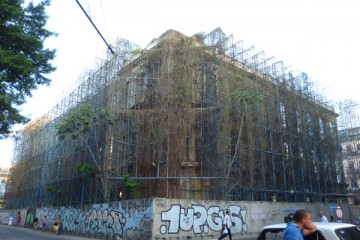
When just a few days ago I asked in Lawton about a potato outlet I was told that it was four blocks farther ahead, in front of the Erie cinema. I walked in that direction and when I got there I saw there were no potatoes and neither did the Erie exist, just barely a building in ruins. Where there had been a cinema now there was a wound, in the surrounding area and in memory.