Thirty-seven years later I can still remember that shiny Sunday afternoon in which, with the persistence of a long-distance runner, I devoured the last 150 pages of One Hundred Years of Solitude to be able to understand why lineages condemned to such a fate exist in the world. My first encounter with García Márquez’ literature was overwhelming and definitive, like the arrival of the apocalypse that erases Macondo from the face of the earth, and drove me on to the stunning reading of all his work until then existing and available in Cuba. With his literature García Márquez indelibly marked my aesthetic tastes and, as I would know several years later, my own search for a literary journalistic style in which the king of language is the adjective, that ability to describe that no one like him dominated in the major art that is writing in Spanish.
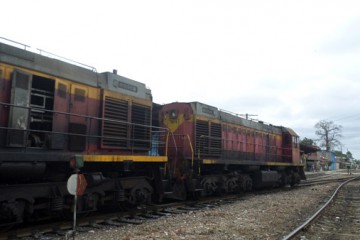
Though the repair and construction of railways is marching slower than previewed in some points of the Cuban geography, its development continues among the strategic priorities in order to absorb the main amount of freight transportation.
Cuba’s aim to expand freight transportation by railway, to reduce the fuel it uses on trucks, has been able to make more moderate progress than what had been planned four years ago. Recent reports by the National Office of Statistics and Information (ONEI) indicate that the transfer of merchandise and material resources continues to mainly fall on road transport.
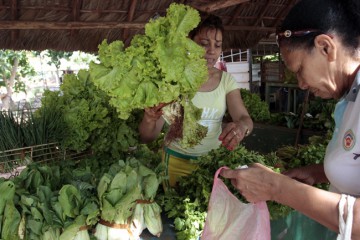
Cooperatives are making incursions as an alternative into non-agricultural areas, but they are facing delays in their birth after being approved or obstacles to become a non-state form in an economy dominated by State enterprises.
With the support of the government and professional institutions, the cooperatives are continuing to take off in non-agricultural sectors of the Cuban economy, without losing their experimental character because of this. Recent meetings organised by the national union of economists confirm, meanwhile, that the road is, at par, promising and tricky for these new non-state economic structures.
Climate change affects the entire Caribbean region in terms of the rise in sea level, saline intrusion and drought, researcher Carlos Rodríguez Otero affirms.
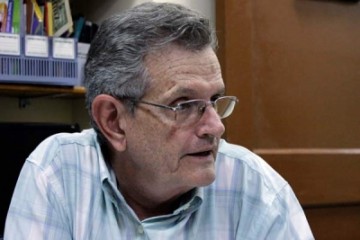
Interview with Carlos Rodríguez Otero, researcher in territorial organisation and the environment of the Physical Planning Institute of Cuba.