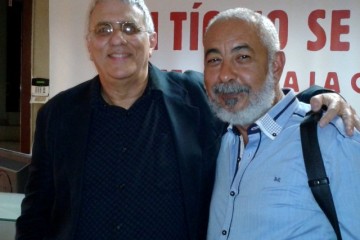
The popular character, created by the genius of Leonardo Padura, is now living his best patch of luck on Barcelona’s stages.
There is absolutely no doubt that Mario Conde is a lucky guy. In spite of his disastrous life and his already incurable tendency to comb the darkest sides of society, the popular character created by writer Leonardo Padura is not only winning over readers, but lately he has also started living other lives, always parallel, which have taken him from literature to cinema and television, led by Spanish director Félix Viscarret.
In Cuba, the metaphor of the revolutionary utopia presumed that, with the mass creation of social equity programmes, racism and racial discrimination would disappear spontaneously. Unfortunately, the irruption of the 21st century has rapidly demonstrated that the epistemology of racism does not disappear in a natural manner because its historic incidence in the cultural thinking requires a mechanism of specific dismantling endorsed by a production of knowledge that is not always visible or accessible to those who, from social activism, do the most to organise antiracist proposals.
The reestablishment of diplomatic relations between Cuba and the United States has awoken multiple interests about diverse subjects regarding Cuban society. In that context, raciality seems destined to take up the media’s attention, especially outside the island.
The sale of high-consumption goods shot up in Cuba after the price reductions implemented starting April.
As a first reaction, the sale of those products whose prices the Cuban government lowered a few months ago grew by 50 per cent. Officials from ministries and commercial chains gave the information during a TV programme, Mesa Redonda (Roundtable), to analyse the measures applied in the so-called hard currency collecting shops.
New or already old challenges surround the nonagenarian entity, where a group of intellectuals continue their work passionately, and even furiously, for the language of Cervantes, Quevedo, Martí and Lezama to not become stagnated or jargon.
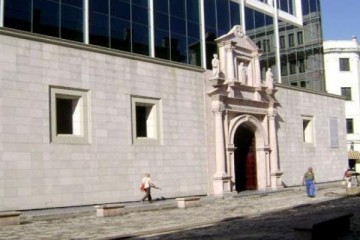
On the second Monday of every month it is usual to see a group of Cuban intellectuals enter in mid-morning the San Gerónimo University School. They attend a regular meeting of the Cuban Academy of the Language which, this year, is celebrating nine decades of existence. It is one of the longest standing cultural institutions with a sustained trajectory in the country that has survived many crises but without ever interrupting its work.