Cuba expands its energy capacity
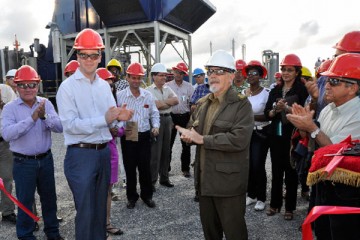
The power plants inaugurated in Boca de Jaruco and Moa classify among the biggest investments undertaken in the country in recent years.
The power plants inaugurated in Boca de Jaruco and Moa classify among the biggest investments undertaken in the country in recent years.

The lasting passage of a star
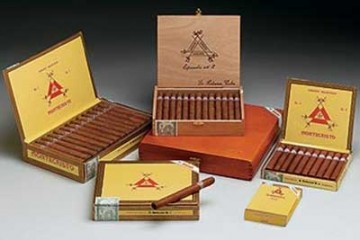
It’s no news that U.S. film and sports stars and even politicians together with businesspeople and tourists are arriving in Cuba to delight in the Havana Cigar Festival, or for furtive business negotiations. Neither is this the first time that the Habanos S.A. Corporation, the Cuban-European firm that is the leading international cigar exporter, calculates the increase in sales when the economic blockade that prevents the entry into the world’s largest market disappears. There were people from the United States among the 1,650 persons from 60 countries who participated during the last week of February in the 17th edition of the world meeting of producers, exporters and cigar houses. They came to be present for the launching of new vitolas of the Montecristo and Romeo y Julieta brands, or simply to taste, in the land of origin, the most world

Despite being one of the principal art critics of the first half of the Cuban 20th century as well as one of the intellectuals who accompanied José Lezama Lima (1910-1976) in the drawing up of the Orígenes group’s aesthetic programme, Guy François Pérez Cisneros Bonnel (Paris, 1915-Havana, 1953), is perhaps the less known author of that period. The son of a Cuban consul in France – who also cultivated painting – and a mother from Toulouse, Guy studied until senior high school in France. He arrived in Cuba in 1933 and his vast intellectual curiosity led him to simultaneously study Philosophy and Letters and Diplomatic Law and, sometime later, he also enrolled in the Manuel Márquez Sterling School of Journalism. Compared to Lezama, whom he met a short time after his arrival, he took very seriously his juridical studies. His