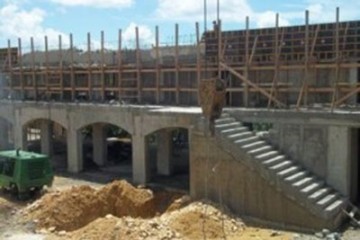
With the approval of new legal regulations to undertake investments, the Cuban government took another step in the strategy of expanding the margin of autonomy of national enterprises. Before the end of January, Decree 327 put into force a “Regulation for the investment process” accompanied by a group of 14 complementary resolutions with the aim of organising one of the activities most affected by the economic inefficiency and planning weaknesses. In the reports of the close of the year that the Economy and Planning Ministry presents to the National Assembly of People’s Power (unicameral parliament), the non-fulfilments of investments usually come up among the country’s most onerous. The delays and million dollars’ worth of damages pile up from the moment projects are conceived to the construction and assembly of the works and their start up. These reasons, together with the
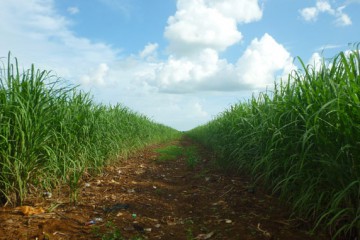
Despite the fact that Cuba did not meet its sugar production goals in the so-called small harvest, the indicators confirm a more solid pace than in previous years.
The 2014-2015 harvest kicked off in Cuba with a more encouraging pace than in previous campaigns. The first reports recognise a better pace from November to December, the so-called small harvest, at a time when sugar prices on the international market are showing an unexpected resistance in the face of the strong drop in oil prices.
During November 7 and 8, 2014, I participated in a singular event: the Museum and Hall of Fame of Cuban Baseball National Colloquium, held in the Adolfo Luque Hall of the Latin American Stadium. What was debated and agreed upon there made a mark in the national sport, but it is still an on-going story in which the most important part still has to materialise.
Cuban architect Ricardo Porro passed away last December 25 in Paris. The news was not highlighted too much in the information sphere of the island, despite the fact that the intellectual had been the coordinator of the singular project of the Cubanacán Art Schools and the author of monumental domes designed for teaching visual arts, authentic icons of Cuban post-revolutionary architecture. He had been born in Camagüey. He resided in Paris since 1966.